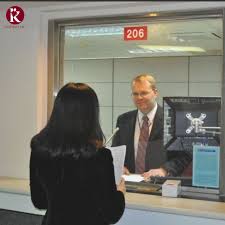
Getting ready for an embassy interview can feel a little tricky, especially if it’s your first time. You might wonder how to practice without actually being at the embassy. That’s why an embassy interview preparation at home guide is so helpful.
Many people find it hard to know where to start or what to focus on. Don’t worry, though! We’ve put together a simple way to get you ready, step by step.
We’ll show you what to do so you can feel confident and prepared for your big day.
Key Takeaways
- You can practice common interview questions and answers effectively at home.
- Learning to speak clearly and confidently is a key part of preparation.
- Understanding the purpose of the interview helps you answer questions better.
- Organizing your documents beforehand reduces stress on the interview day.
- Simulating the interview environment can boost your readiness.
- Staying calm and positive makes a big difference during the actual interview.
Preparing For Your Embassy Interview At Home
Getting ready for an embassy interview is about more than just knowing what to say. It’s also about how you say it and how you present yourself. When you prepare at home, you create your own learning space.
This allows you to focus on the specific skills and information needed. You can work on your confidence and clarity without any pressure. This section will guide you through the initial steps of setting up your practice environment and understanding the goals of the interview.
Setting Up Your Practice Space
Think about where you will do your practice. You want a quiet spot where you won’t be interrupted. This could be your bedroom, a study area, or even a corner of the living room.
Make sure you have enough light and a comfortable place to sit. You might want a mirror so you can see yourself as you speak. This helps you notice your body language and facial expressions.
Good lighting also makes you feel more alert and presentable.
Having a good practice space is like building a mini embassy interview room at home. It helps you get into the right mindset. When you sit down in your dedicated spot, you’ll automatically feel more focused.
This makes your practice sessions more effective. It’s all about creating an environment that helps you concentrate and perform your best.
Understanding the Interview’s Purpose
Before you start practicing, it’s important to know why you are having this interview. Embassy interviews are usually to confirm details about your visa application or other official matters. The consular officer wants to make sure the information you provided is correct and that you meet the requirements for your visa or purpose of visit.
They are looking for honesty and clear communication. They also want to see that you have a genuine reason for your application and that you plan to follow all the rules.
Knowing the purpose helps you answer questions more directly. You’ll understand what kind of information they are looking for. This means you can focus your answers on what matters most.
It’s not about tricking anyone; it’s about being truthful and showing you are prepared. This clear understanding is a big step in your embassy interview preparation at home guide.
What to Expect During the Interview
Embassy interviews are generally straightforward. An officer will ask you questions about your application. They might ask about your travel plans, your job, your family, or your finances.
The questions are designed to verify the information you submitted. They will listen carefully to your answers. It’s important to be polite and respectful throughout the process.
They might also look at your documents to confirm details.
The interview is usually not very long, often just a few minutes. The officer wants to get the information they need efficiently. They will often inform you of the decision immediately after the interview.
This could be approval, denial, or a request for more information. Knowing this helps manage your expectations and reduces anxiety.
Mastering Your Answers At Home
The core of any interview is the answers you give. Practicing your responses at home is key to feeling confident. This section will help you identify common questions and develop clear, honest answers.
We will also look at how to practice speaking clearly and using positive body language, even when you are by yourself.
Common Interview Questions and Practice
Many embassy interviews cover similar topics. You can predict many of the questions you might be asked. Start by listing these common questions.
Examples include “What is the purpose of your visit?”, “How long will you stay?”, “What do you do for work?”, and “Who will be paying for your trip?”. For each question, think about a truthful and direct answer. Write down your answers first, then practice saying them out loud.
It’s important to be truthful. Don’t try to make up stories. Your answers should match the information you provided in your application.
If you are unsure about a question, it’s better to say so than to give a wrong answer. Practice saying your answers in a natural way, not like you are reciting from a script. This makes you sound more genuine.
Practicing Your Communication Skills
Speaking clearly is vital. When you practice at home, pay attention to how you speak. Are you speaking too fast?
Too slow? Are you mumbling? Try to speak at a moderate pace and enunciate your words.
Imagine you are explaining something important to someone who needs to understand every word. You can record yourself speaking to hear how you sound and identify areas for improvement. This self-assessment is a powerful tool.
Making eye contact is also important, even when practicing alone. If you are practicing in front of a mirror, look at your reflection. If you are practicing with a friend or family member, make sure to look them in the eye when you answer.
Good eye contact shows confidence and sincerity. It tells the interviewer that you are engaged and honest.
Using Non-Verbal Communication
Your body language speaks volumes. Even at home, you can practice positive non-verbal cues. Sit up straight, with your shoulders back.
Avoid fidgeting or crossing your arms. Keep your hands relaxed on your lap or the table. A natural, friendly smile can also make a good impression.
These signals show that you are relaxed, attentive, and confident.
Think about how you want to appear to the consular officer. You want to look composed and respectful. Practicing in a mirror helps you see your posture and expressions.
Adjust them until you feel comfortable and confident. These small adjustments can make a big difference in how you are perceived.
Document Organization and Review
Having all your documents in order is crucial for a smooth interview. Before your interview, gather all the necessary paperwork. This typically includes your passport, application forms, financial statements, and any supporting documents like invitation letters or employment letters.
Make sure they are all up-to-date and easy to find. A misplaced document can cause unnecessary stress.
Organize your documents in a folder or binder. You can create sub-sections for different types of documents. This makes it easy to pull out what you need quickly.
Review each document to ensure there are no errors or missing information. Double-checking everything beforehand will give you peace of mind. This step is often overlooked but is a key part of effective embassy interview preparation at home guide.
Simulating The Interview Environment
To get the most out of your home preparation, try to simulate the real interview. This means more than just practicing questions. It involves recreating the atmosphere and pressure of the actual event.
This section will show you how to set up mock interviews and practice handling unexpected questions.
Conducting Mock Interviews
Ask a friend, family member, or even practice by yourself talking to a camera. If you have a helper, have them act as the consular officer. They can ask you the prepared questions and any follow-up questions that come to mind.
Try to replicate the setting as closely as possible. This could mean sitting at a table and having your helper sit opposite you. The goal is to get used to the feeling of being interviewed.
After the mock interview, ask for feedback. What did you do well? What could you improve?
Did your answers make sense? Were you clear and confident? Honest feedback is invaluable for identifying blind spots and areas for growth.
Even if you practice alone, recording yourself and reviewing it critically is highly beneficial.
Handling Unexpected Questions
It’s rare for an interview to go exactly as planned. Sometimes, you might get a question you didn’t anticipate. The best approach is to stay calm.
Take a moment to think before you answer. If you don’t understand a question, politely ask for it to be repeated or clarified. It’s okay to take a short pause.
Practice how you would respond if you are asked something unexpected. For example, if asked about a past travel issue, explain it honestly and briefly, focusing on what you learned. If asked about a change in your plans, explain the reason clearly.
The key is to remain composed and provide truthful, relevant information. Practicing these scenarios at home can make you feel more prepared for surprises.
Practicing With Different Scenarios
Think about different potential scenarios that might arise during an interview. For instance, what if they ask about a financial detail you are not entirely sure of? Or what if they ask about a family member’s involvement in your trip?
For each scenario, brainstorm a calm and honest response. Write down how you would handle it and then practice saying it aloud.
For example, if asked about finances and you are unsure of the exact amount, you could say, “I have sufficient funds for my trip, and my financial documents detail my savings. I can refer to those documents if needed to provide precise figures.” This shows you are prepared without being overly specific if you can’t recall an exact number at that moment.
The Importance of Calmness and Confidence
One of the most effective things you can practice at home is staying calm and confident. This comes from thorough preparation and self-belief. When you know you have done your best to prepare, you will feel more at ease.
Deep breathing exercises can also help manage nerves. Practice these before your mock interviews.
Confidence is built by practicing and succeeding in smaller steps. Every time you have a good practice session, your confidence grows. Remember that the consular officer is there to assess your application, not to judge you personally.
Approaching the interview with a positive attitude and a calm demeanor will serve you well.
Real-Life Examples and Statistics
Seeing how others have succeeded and understanding some general data can be very encouraging. This section shares some insights to help you feel more connected to the process and to highlight the effectiveness of preparation.
Example of Successful Preparation
Sarah wanted to visit her sister in the United States. She was nervous about her visa interview. Sarah used an embassy interview preparation at home guide to practice.
She wrote down common questions and practiced answering them in front of a mirror. She also asked her brother to conduct a mock interview with her. She organized all her documents neatly in a folder.
On the interview day, she felt prepared and answered the questions clearly. Her visa was approved, and she was very happy.
Example of a Missed Opportunity
John applied for a business visa. He felt his application was strong. However, he did not prepare for the interview.
He thought it would be very quick and easy. During the interview, he was asked about his business plan. He stumbled over his words and could not provide clear details.
He became flustered and his nervousness showed. His visa application was denied because the consular officer was not convinced of his business intentions. He later regretted not taking the time to prepare.
Statistics on Interview Success
While specific statistics vary greatly by country and visa type, general trends show that applicants who are well-prepared tend to have a smoother experience. For instance, studies on visa application processes often indicate that clarity and consistency in responses are highly valued. Some reports suggest that up to 70% of visa refusals can be due to insufficient documentation or unclear answers during the interview.
This highlights the significant impact of good preparation.
Another aspect to consider is the interviewer’s perspective. Consular officers conduct hundreds of interviews. They look for clear communication and genuine intent.
When an applicant is well-prepared, it makes their job easier and increases the likelihood of a positive outcome. A survey of consular officers found that confidence and clarity of purpose were among the top factors influencing their decisions.
| Factor | Impact on Interview Success | Home Preparation Focus |
|---|---|---|
| Clarity of Answers | High Positive Impact | Practice speaking clearly and concisely. |
| Honesty | Essential for Success | Be truthful in all answers and ensure they match your application. |
| Documentation | Critical for Verification | Organize and review all necessary documents beforehand. |
| Confidence | Positive Influence | Practice speaking with a calm and assured tone. |
Common Myths Debunked
There are several common ideas about embassy interviews that aren’t quite right. Understanding these myths can help you prepare more effectively and avoid unnecessary worry.
Myth 1: The Interviewer Is Trying to Trick You
The reality is that consular officers are trained professionals whose job is to assess applications fairly. They are looking for truthful information to make a decision based on established criteria. They want to confirm that your application is genuine and that you meet the requirements for the visa or purpose of your visit.
Their questions are designed to gather necessary information, not to trap you. Being honest and direct is the best approach.
Myth 2: You Need to Memorize Perfect Answers
While it’s good to practice your answers, memorizing them word-for-word can make you sound robotic. The goal is to internalize the information so you can speak naturally and honestly. If you memorize, you might struggle if asked a slightly different question.
Focus on understanding the key points you need to convey for each question. This allows for more flexible and genuine responses during the actual interview.
Myth 3: Your Appearance Doesn’t Matter
While you don’t need to wear a suit, your appearance does play a role. Dressing neatly and appropriately shows respect for the process and the interviewer. It contributes to a positive overall impression.
Think of it as presenting yourself professionally. Clean, tidy clothing and good grooming are recommended. This shows you take the interview seriously.
Myth 4: A Little White Lie Won’t Hurt
Honesty is paramount in visa applications. Even small exaggerations or untruths can have serious consequences. If caught, it can lead to visa denial and future difficulties.
The consular officer is trained to detect inconsistencies. Always provide truthful information that aligns with your application documents. Authenticity is key to a successful interview.
Frequently Asked Questions
Question: How long should I practice for my embassy interview?
Answer: It’s good to dedicate time over several days or even a week. Focus on quality practice sessions rather than just quantity. Aim for consistency in your preparation rather than cramming at the last minute.
Question: What if I don’t understand a question?
Answer: Politely ask the consular officer to repeat or clarify the question. It’s better to ask for clarification than to answer incorrectly or give an irrelevant response. Phrases like “Could you please repeat that?” or “Could you explain what you mean by that?” are perfectly acceptable.
Question: Should I bring extra documents even if they are not on the required list?
Answer: It’s generally best to bring only the documents that are specifically requested. However, if you have a crucial document that strongly supports your application and explains a potential concern, you can bring it. Be prepared to explain why you brought it.
Question: How important is my tone of voice during the interview?
Answer: Your tone of voice is very important. Speak in a clear, calm, and confident manner. Avoid sounding nervous, aggressive, or defensive.
A polite and respectful tone will help create a positive impression.
Question: What should I do if I feel very nervous during the interview?
Answer: It’s normal to feel nervous. Take a few deep breaths before you start answering. Focus on answering each question as clearly and truthfully as you can.
Remember that your preparation has equipped you to handle this.
Wrap Up
Preparing for your embassy interview at home is simple and effective. Practice your answers to common questions. Organize your documents well.
Simulate the interview setting to build confidence. Staying calm and honest is your best strategy. You can feel ready for your interview with a little focused effort.
Leave a Reply