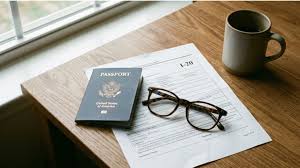
Getting a visa can sometimes feel tricky, especially for your first embassy interview. Many people worry about saying the wrong thing or not having the right documents. It’s totally normal to feel a bit nervous when you’re aiming for visa approval.
But don’t worry, it doesn’t have to be complicated. This guide will give you simple, easy-to-follow steps. We’ll show you exactly what you need to do to feel confident and ready.
Get ready to learn how to prepare so you can make a great impression.
Key Takeaways
- Understand the purpose of the embassy interview clearly.
- Prepare all necessary documents thoroughly and organize them well.
- Practice answering common interview questions confidently and truthfully.
- Dress appropriately and maintain positive body language during the interview.
- Be honest, direct, and polite with the consular officer.
Understanding the Embassy Interview
The embassy interview is a key part of the visa application process. It’s where a consular officer decides if you meet the requirements for the visa you’re applying for. They want to make sure you are who you say you are and that you plan to visit the country for the reason you stated.
This interview isn’t meant to be a test to trick you. Instead, it’s a chance for the officer to get to know you a little better and confirm the information on your application. Being well-prepared can make a big difference in feeling calm and confident.
Purpose of the Interview
The main goal of the interview is for the consular officer to verify the information you provided in your visa application. They need to be sure you are eligible for the visa category you applied for. This includes checking if you have genuine intentions to visit the country and that you will leave when your visa expires.
The officer looks for consistency between your application, your documents, and your answers. They also assess your ties to your home country, which helps them determine if you intend to return. A thorough understanding of why you are being interviewed empowers you to provide clear and convincing answers.
Common Visa Types and Interview Focus
Different visas have different focuses during the interview. For example, a tourist visa interview will likely ask about your travel plans and how you will fund your trip. A student visa interview will focus on your academic goals, why you chose that particular school, and your financial support.
A work visa interview will delve into your job offer and your qualifications for the position. Knowing the specific requirements for your visa type helps you prepare relevant information and anticipate the kinds of questions you might be asked. This targeted preparation boosts your confidence and helps you present your case effectively.
The Consular Officer’s Role
Consular officers are trained professionals who review many visa applications every day. Their job is to ensure that only eligible individuals receive visas, protecting both their country’s security and its immigration laws. They are looking for sincerity and consistency in your responses.
They are not trying to catch you out, but they do need to be satisfied that you meet all the criteria. Approaching the interview with respect for their role and a cooperative attitude will help create a positive atmosphere. Remember, they are there to do their job, and your clear, honest answers will aid them in their assessment.
Preparing Your Documents
Having all your documents in order is one of the most important steps you can take. It shows you are organized and serious about your application. When the consular officer asks for a document, being able to produce it quickly and easily makes a great impression.
Think of your documents as evidence that supports your visa application. Missing or disorganized papers can create doubt and make the process harder for everyone involved. This section will guide you through what to gather and how to present it.
Essential Documents Checklist
Before your interview, create a checklist of all the documents you need. This usually includes your passport, visa application confirmation page, and appointment confirmation. You will also need supporting documents that prove your eligibility for the visa.
For a tourist visa, this might include a flight itinerary, hotel bookings, and a bank statement showing you can afford the trip. For a student visa, you’ll need your acceptance letter from the educational institution and proof of financial support. Always check the specific requirements for your visa type on the embassy’s official website, as these can vary.
- Passport: Ensure it is valid for at least six months beyond your intended stay and has blank pages.
- Visa Application Form: Print the completed application form and any confirmation pages.
- Photographs: Bring recent passport-sized photos that meet the embassy’s specifications.
- Supporting Financial Documents: Bank statements, pay stubs, or sponsorship letters proving you can fund your trip.
- Proof of Ties to Home Country: This could be a letter from your employer, property deeds, or family documents.
Gathering these documents requires time and attention to detail. Start early to avoid last-minute stress. Make copies of everything, just in case.
The more organized you are, the more confident you will feel during your interview. This preparedness demonstrates your commitment to the visa process.
Organizing Your Documents
Once you have all your documents, organize them logically. A simple way to do this is to put them in a folder or binder, perhaps in the order they might be requested. You can group them by type, such as personal documents, financial documents, and travel plans.
Having a clear system means you can easily find any document the consular officer asks for. This organization also helps you remember what you have and prevents any crucial papers from being misplaced. A well-organized set of documents reflects your attention to detail and serious approach.
What to Bring and What to Leave Behind
For the interview, bring only the documents you absolutely need. Your passport, application confirmation, appointment letter, and the organized folder of supporting documents are essential. Do not bring unnecessary items, as many embassies have strict security policies and may not allow large bags or personal electronics inside.
Leave behind any valuable items or personal belongings that are not required for the interview. This helps ensure a smooth entry into the embassy and keeps your focus on the interview itself.
Answering Interview Questions
The questions asked during an embassy interview are designed to understand your intentions and verify your eligibility. The key is to be honest, clear, and consistent. The consular officer is listening carefully to your answers to assess your credibility.
Practicing beforehand can help you feel more comfortable and articulate. Think of this part as a conversation where you are explaining your situation truthfully. Your responses should directly address the questions asked, without unnecessary rambling or trying to over-explain.
Common Questions and How to Answer Them
Many questions are standard, regardless of your visa type. They often revolve around your purpose of visit, your financial situation, and your ties to your home country. For example, “Why do you want to visit ?” should be answered with your genuine reasons.
If you’re a tourist, mention specific places you want to see or activities you plan to do. If you’re a student, explain your academic interests and future career goals. For questions about finances, be ready to explain how you will cover your expenses.
Always be truthful. If you’re unsure about something, it’s better to say “I don’t know” rather than guess.
- What is the purpose of your trip? Be specific about your travel plans, whether it’s tourism, study, or business.
- How long do you plan to stay? State the exact duration of your stay and provide evidence like an itinerary if possible.
- Who is sponsoring your trip? Explain your funding source clearly, whether it’s personal savings, a sponsor, or a scholarship.
- What do you do in your home country? Describe your job or studies and how they demonstrate your commitment to returning.
- Have you traveled abroad before? Be ready to list previous countries visited and the purpose of those trips.
Practicing these questions with a friend or family member can be very helpful. This allows you to hear yourself speak and identify areas where you can be clearer or more concise. The more comfortable you are with your answers, the more natural you will appear during the actual interview.
The Importance of Honesty and Consistency
Honesty is absolutely critical. Any misrepresentation or false information can lead to immediate visa denial and potential long-term bans. The consular officer is skilled at detecting inconsistencies.
Ensure that your answers align perfectly with the information you provided in your visa application. If there are any discrepancies, be prepared to explain them calmly and truthfully. For instance, if your application states you’re going on vacation and your uncle invited you, be ready to explain your relationship with your uncle and how he fits into your trip.
Consistency builds trust.
Providing Specific and Concise Answers
While honesty is key, so is conciseness. Avoid giving very long, rambling answers that can be confusing or suggest you’re hiding something. Get straight to the point.
If the question is “What is your job?”, simply state your job title and briefly mention your responsibilities if asked for more detail. If you are asked about your travel plans and you say “I want to see Paris, Rome, and Barcelona,” that’s a good start. If the officer asks further, you can elaborate on why you chose those cities or what you plan to do there.
Short, clear, and direct answers are best.
Behavior and Presentation
Your appearance and behavior during the interview play a significant role in how the consular officer perceives you. It’s about showing respect for the process and the interviewer. This isn’t about being overly formal, but about presenting yourself in a way that demonstrates you are serious and prepared.
Small details can make a positive impression and contribute to a successful outcome. Think about how you would want to be perceived in a professional setting.
Appropriate Dress Code
Dress in neat, clean, and professional attire. This doesn’t mean you need a suit and tie, but avoid casual wear like shorts, t-shirts with graphics, or flip-flops. Opt for smart casual clothing.
For men, this might be dress pants or khakis with a button-down shirt. For women, dress pants or a skirt with a blouse is suitable. The goal is to look presentable and respectful.
Dressing well shows that you take the interview seriously and that you value the opportunity.
Body Language and Demeanor
Your body language communicates a lot even before you speak. Maintain eye contact with the consular officer when they are speaking to you and when you are answering questions. This shows confidence and attentiveness.
Sit up straight and avoid fidgeting, which can indicate nervousness or dishonesty. Offer a firm handshake if offered, but otherwise, keep your hands relaxed. A calm, polite, and respectful demeanor goes a long way.
Smile when appropriate, and be polite in all your interactions.
Politeness and Respect
Always address the consular officer as “Sir” or “Ma’am” or by their title if you know it. Thank them for their time. Even if you feel nervous or frustrated, maintain a respectful attitude.
Avoid interrupting the officer and listen carefully to each question before answering. If you don’t understand a question, politely ask for clarification rather than guessing. A positive and respectful attitude can make the interview a more pleasant experience for both you and the officer.
What to Expect During the Interview
The interview itself is usually quite short, often lasting only a few minutes. The consular officer will review your documents and ask you a series of questions. They might ask follow-up questions based on your initial responses.
The environment is typically a small booth or office. Try to stay calm and focused. Remember that the officer is simply doing their job to assess your eligibility.
Your preparation and honest answers are your best tools.
Common Myths Debunked
Myth 1: A visa is guaranteed if all documents are submitted correctly.
Reality: While submitting all required documents correctly is essential, it is not the sole factor determining visa approval. The consular officer makes a decision based on the totality of your application, including your interview responses, your ties to your home country, and your stated purpose of visit. Meeting documentation requirements is a baseline, but the interview and overall assessment are crucial.
Myth 2: Showing a lot of money in your bank account guarantees approval.
Reality: While sufficient funds are necessary, simply having a large bank balance is not enough. The consular officer wants to see that your financial resources are legitimate, that you have a stable source of income, and that the money is indeed for your intended trip. They also assess your overall financial picture and your intention to return to your home country, not just your ability to pay for the trip.
Myth 3: Getting a visa means you can stay in the country indefinitely.
Reality: Visas are granted for specific periods and purposes. They do not grant indefinite stay or the right to work without proper authorization. Overstaying a visa can lead to severe consequences, including future travel bans.
It is vital to adhere to the terms and conditions of your visa and depart the country before it expires.
Myth 4: You should try to impress the officer with extensive details about your trip.
Reality: While details are important, the goal is to be specific and concise, not overly elaborate. Consular officers are trained to identify evasiveness or attempts to overcompensate. Providing clear, direct answers to the questions asked is more effective than overwhelming the officer with unnecessary information.
Stick to the facts and answer what is asked.
Frequently Asked Questions
Question: What if I don’t understand a question?
Answer: If you don’t understand a question, politely ask the consular officer to repeat or clarify it. It’s better to ask for clarification than to guess or provide an incorrect answer.
Question: Should I bring original documents or copies?
Answer: Generally, you should bring originals along with copies of your key documents. Always check the specific requirements for your visa type on the embassy’s website, as some may prefer originals only.
Question: Can I change my visa application details at the interview?
Answer: It’s best to update your application details before the interview if possible. If there’s a minor clarification needed, you can address it during the interview, but significant changes might not be permitted and could raise red flags.
Question: What should I do if I’m denied a visa?
Answer: If your visa is denied, the consular officer will usually provide a reason. You may be able to reapply after addressing the reasons for denial, but understand the specific conditions for reapplying for your visa type.
Question: How long does the interview typically last?
Answer: The interview itself is usually quite brief, often lasting just a few minutes, sometimes even less than five minutes. The processing time at the embassy might be longer due to security checks and waiting times.
Summary
Preparing for your embassy interview is a clear path to visa approval. Focus on gathering all documents, practicing your answers honestly and concisely, and presenting yourself professionally. Be polite, respectful, and confident.
Your clear intentions and organized approach will make a strong impression and help you succeed.
Leave a Reply